Start with the physical sample you actually received
A product name is not enough to identify a sample. Keep the supplier's complete model reference, the sample's own label, the date received and any artwork revision together. If two samples look similar, give them different internal labels before review. Keep photographs with those labels visible so that a later comment can be traced to the correct object.
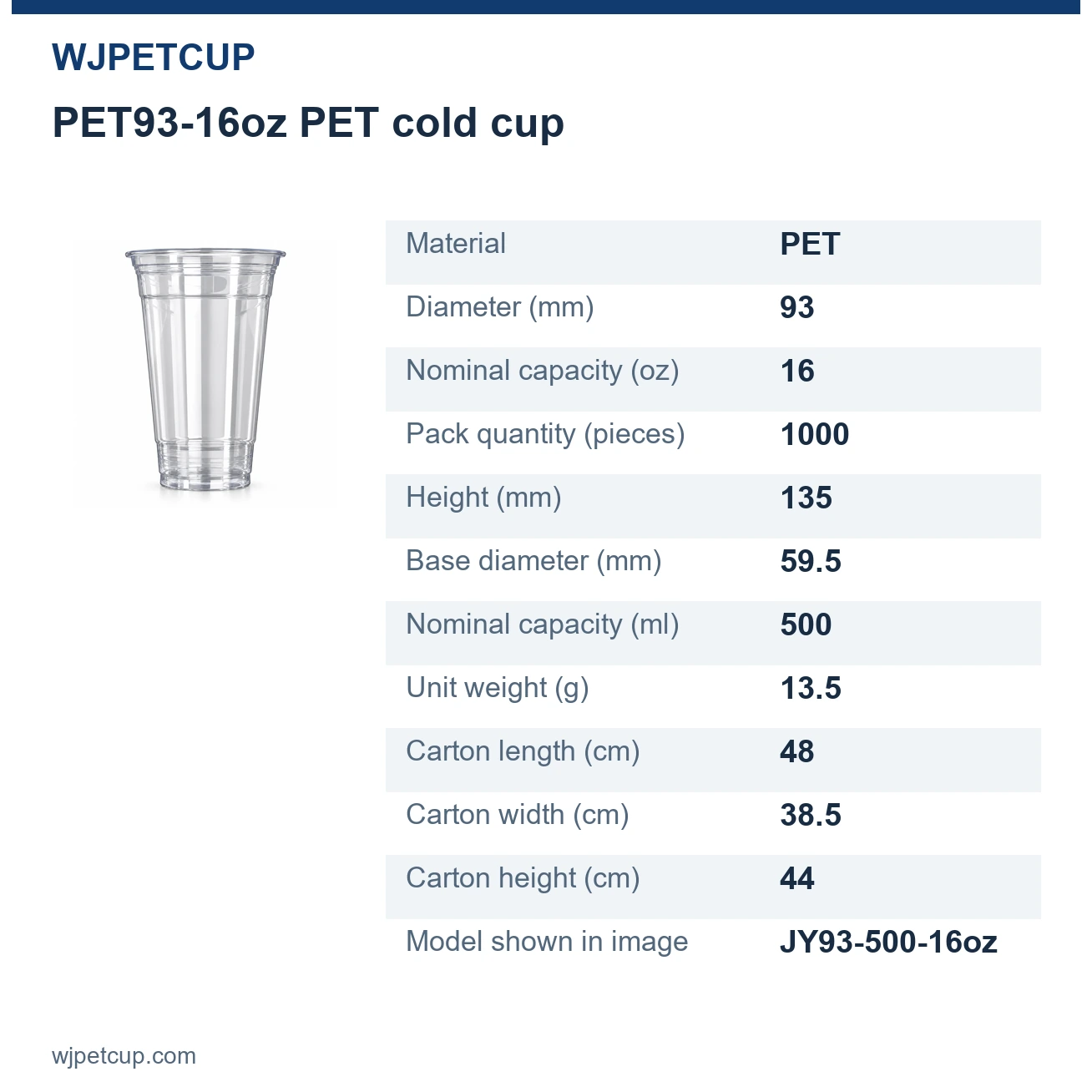
For example, WJPETCUP's catalogue lists JY9806-500-16oz as a PET cup with a 98 mm diameter, 127 mm height and 62.5 mm bottom diameter. Those catalogue values identify a reference for discussion. They are not measurements taken by your reviewer, and the record should have a separate place for any observations or measurements your team makes.
An example record that does not invent a result
The following is an illustrative setup for a buyer's review. CP-01, LD-01, PR-01 and Artwork v3 are example identifiers, not WJPETCUP shipment or artwork records. All three objects remain unresolved because no inspection result has been entered. The cup and lid are a candidate combination only.
This structure lets a buyer start the record before the samples arrive. Replace the example labels with the identifiers actually supplied and keep the catalogue reference separate from the result.
| Review object | Reference to identify | Example record ID | Starting state |
|---|---|---|---|
| Cup body | JY9806-500-16oz; check the received sample label | CP-01 | Unresolved — observations not entered |
| Cup-and-lid combination | JY9806-500-16oz with candidate JY-98FL | CP-01 + LD-01 | Unresolved — combination not verified |
| Printed cup | Exact cup reference plus the artwork revision supplied | PR-01 / Artwork v3 | Unresolved — printed sample not reviewed |
Give each reviewer a decision they can describe
Use one row for one review question. A single box marked 'sample approved' hides which features were considered. A buyer might have reviewed the cup shape without receiving a lid, or reviewed the printed appearance without assessing the intended drink and handling conditions.
Choose observations that matter to your order and agree any acceptance criteria before using them. This guide does not prescribe dimensional tolerances, colour differences, drop tests or sampling quantities. Where a requirement needs a test or a supplier document, identify that evidence instead of replacing it with a general comment.
| Object | Question to record | Evidence and decision |
|---|---|---|
| Cup body | Is this the intended model and version? Which relevant dimensions or appearance features were reviewed? | Sample ID; catalogue or drawing revision; actual observations; reviewer and date |
| Cup with lid | Which exact cup and lid were assessed together, under which intended conditions? | Both sample IDs; review method; observations; any remaining questions |
| Printing | Does the received print correspond to the agreed artwork version, position and orientation? | Artwork revision; labelled sample photographs; comments tied to a specific location |
Use accept, revise and unresolved consistently
Accept means the identified object meets the agreed criteria within the review scope recorded. It should not imply approval of features that were never reviewed. Revise means a specific change is requested; state what must change and which record or sample will demonstrate the change. Unresolved means the evidence or decision is still missing.
For a conditional example, if the buyer has accepted the cup dimensions but has not received the proposed lid, the cup-body row may be accepted while the combination row remains unresolved. If the buyer requests a different logo position, record a revision request against the printed sample. These are examples of how to use the states, not results for the products named above.
Keep the earlier decision when something changes
Do not erase the old comment when a replacement sample arrives. Add a revision entry that names the earlier sample, the requested change, the replacement sample and the outcome of its review. This explains why one version was superseded and helps stop an old image or artwork attachment from returning to the order.
A change to the cup model, lid model or artwork may affect different parts of the review. Identify those affected rows and leave the unaffected evidence traceable. Ask which items need renewed assessment; do not assume that changing a logo automatically validates a different cup, or that accepting a lid transfers to another model.
Link the record to the order specification
Before the review is used for an order, list the accepted references and the unresolved items in one short handover. Include who made each decision and the date. Attach the actual artwork file or its agreed revision reference, rather than relying on a message saying 'use the latest one'.
Keep sample approval separate from commercial confirmation. WJPETCUP's PET order minimum is 5000 pieces per model; that does not specify the number of samples. Sample quantities and charges still need agreement. Likewise, an accepted sample record does not by itself set the bulk production duration or the arrival date.
Read more
Bring the sample references into one conversation
Send the cup and lid model references, the artwork revision and the items your team has accepted, requested for revision or left unresolved. These details help identify the next sample or specification question.